Erotic audio and ASMR, a natural fit for faceless work
Erotic audio and ASMR explained: what listeners look for, the forms it takes, how to keep your voice anonymous, and how audio fits a faceless creative practice.
Part of the guide: Online persona and image: a gentle guide to choosing yours
By the SOMAS Management editorial team 4 min read
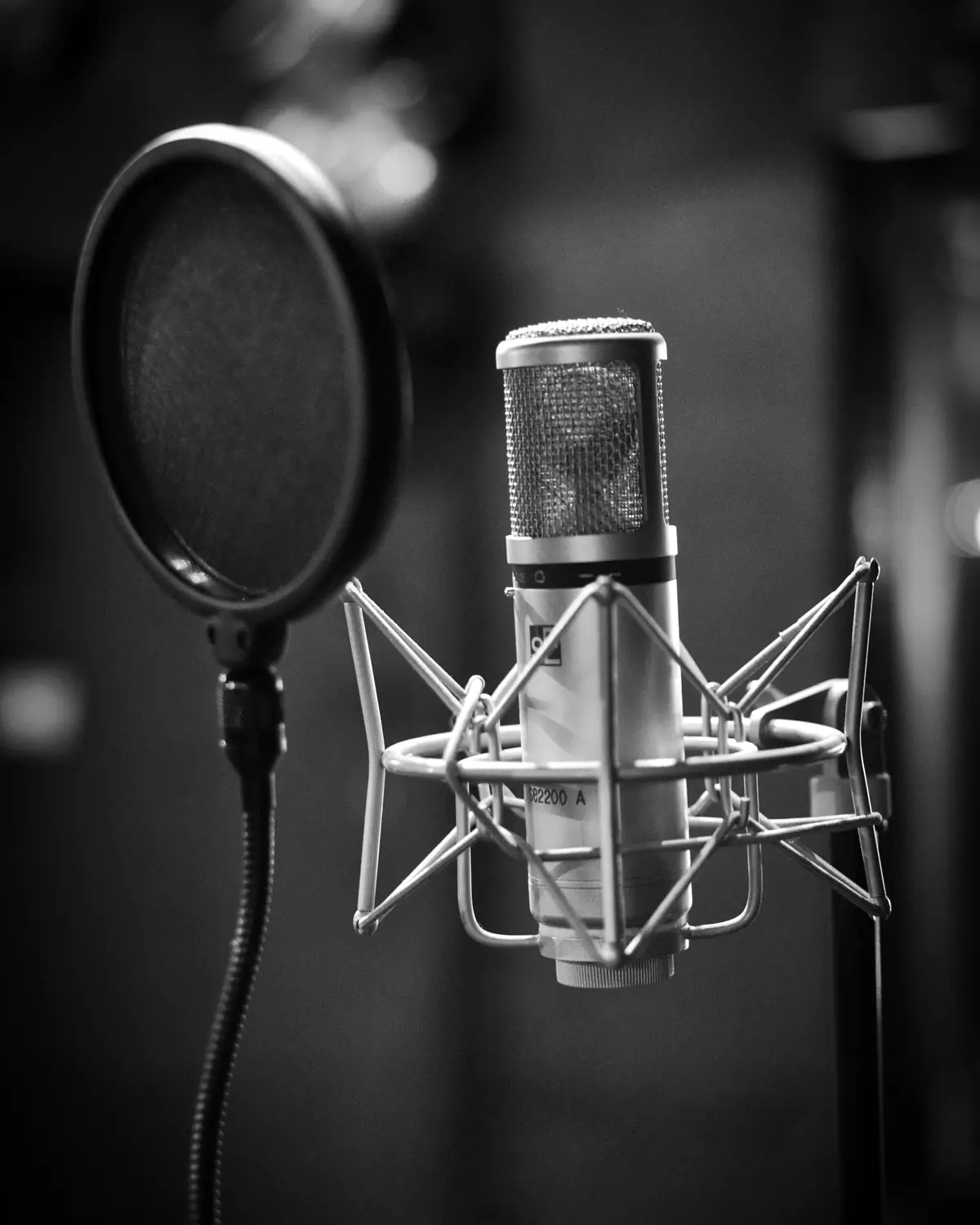
Erotic audio is content made of a voice alone: a story read slowly, a scene told in the first person, whispers close to the microphone, or a guided moment where the voice sets the pace. Erotic ASMR is the same idea built on soft sounds and close attention. Many listeners prefer it to images, because imagination does the rest. For a creator, it is one of the most natural ways to work without a face.
Why people listen
Listeners often describe the same things: the sense of being spoken to directly, the intimacy of a voice close to the ear, and the room it leaves for imagination. Audio also suits moments when watching is not possible, such as falling asleep or a quiet evening. And for some, it simply feels more personal than a picture.
The forms it takes
- Story
- A narrated scene, often with a setting, a slow build and a clear end.
- First person scene
- You speak as if the listener were with you, in a situation you describe.
- ASMR
- Whispers, soft sounds and close attention, with little or no storyline.
- Guided moment
- The voice gives the rhythm and the instructions, often with a dominant or reassuring tone.
- Praise and comfort
- Kind, reassuring words, sometimes called a girlfriend experience in audio form.
Guided moments overlap with kink roles: a voice that leads sits on the dominant side, a voice that obeys on the submissive side. Dom or sub, how to know explains the difference.
What you need to start
- 1
A quiet room
Soft furnishings absorb echo. A wardrobe full of clothes is a classic recording booth.
- 2
A simple microphone
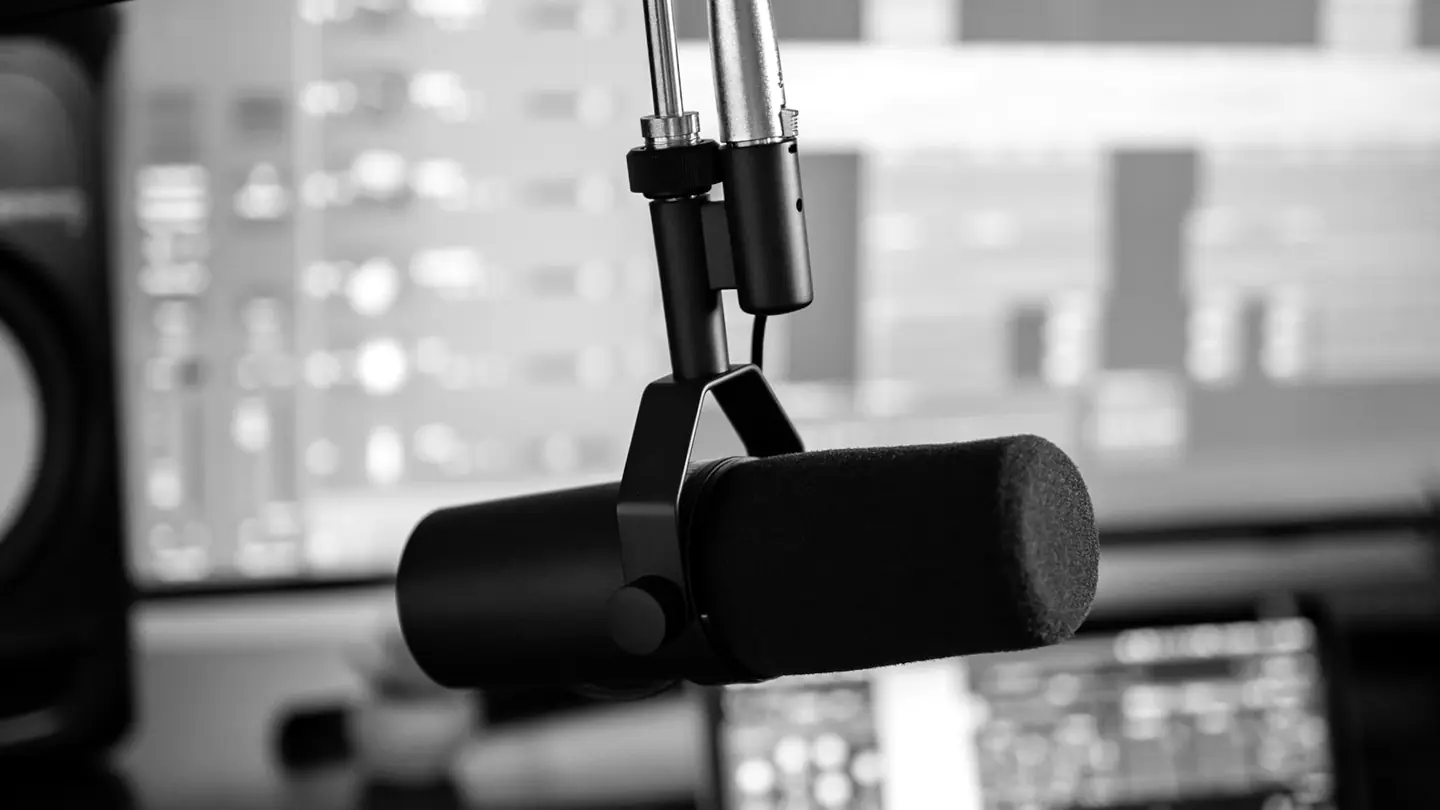
A recent phone held close works for a first test. A small external microphone helps later.
- 3
A short script
A few lines written in advance keep the pace calm. Improvisation comes with practice.
- 4
A first listen
Play it back with headphones before anything else, at low volume, the way a listener would.
Keeping your voice anonymous
A voice is a personal detail, just as a face is. A few habits keep it from leading back to you.
Before an audio is shared
- No real first name, no name of a friend, a street, a town or a workplace.
- No background sound that could place you: church bells, a train announcement, a neighbour’s voice.
- A stage name that you use only for this work.
- No voice message sent outside the platform to anyone.
- If you want more distance, a slightly different pace, pitch or accent kept as part of your persona.
The idea of a persona is developed in creating an online persona, and the broader protections in faceless content explained.
Getting comfortable with your own voice
Almost nobody likes hearing their own voice at first. It sounds different on a recording because you usually hear it through your own head as well. That feeling fades with practice, and listeners do not hear what you hear. Start with short pieces, keep the ones you like, and do not judge a first try. Feeling shy on camera offers ideas that work just as well in front of a microphone.
Where audio fits among faceless options
Audio sits naturally beside other faceless work: a voice note can accompany a set of photos, introduce a theme, or stand alone as a longer piece. Many creators keep it as one format among several, offered when the mood suits it. Like every format, it stays within your limits, and a custom request for audio is only ever a request: you are free to say no. To see where audio sits next to other faceless options, read choosing a niche.
Questions and answers
What is erotic audio?
Content made only of a voice and sounds: stories, scenes in the first person, whispers or guided moments, with no image at all.
Is erotic ASMR the same thing?
It is close. ASMR relies on soft sounds and close attention more than on a story, and the two often mix.
Can my voice be recognised?
It can, by people who know you well. Avoiding names and background sounds, and keeping a distinct persona, lowers that risk a lot.
Do I need professional equipment?
No. A quiet room and a recent phone are enough to start. A small microphone helps once you know you enjoy it.
Keep reading